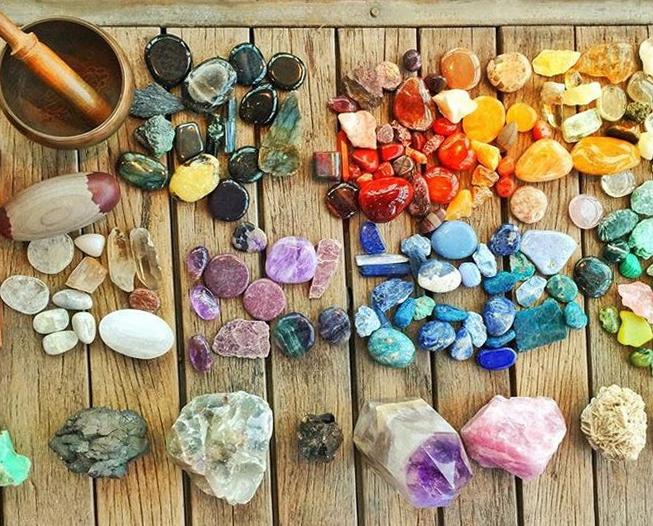
The use of crystals stretches back thousands of years, woven deeply through the spiritual, protective, and decorative traditions of ancient civilizations across the globe. Long before modern times, humans recognized a profound connection to the natural minerals of the Earth, using them to promote health, alignment, and well-being.
Ancient Mesopotamia & Sumeria
The first historical records of crystal usage date back to the Ancient Sumerians around 3000 BC. They incorporated stones like lapis lazuli, agate, and carnelian into protective amulets, cylinder seals, and formulas designed to ward off negative spirits and shield the body from disharmony.
Ancient Egypt
The Egyptians were renowned for their intricate use of gemstones in daily life and sacred rituals. They wore vibrant jewelry crafted from turquoise, carnelian, lapis lazuli, and clear quartz to foster vitality, health, and spiritual alignment. Crystals were also carved into sacred grave amulets to protect the deceased on their journey beyond, while minerals like malachite and galena were ground down for cosmetic use.
Ancient Greece & Rome
Our very word "crystal" comes from the Greek term krystallos, meaning ice, as ancient philosophers believed clear quartz was permanently frozen water gifted by the divine. Greek soldiers rubbed crushed hematite on their bodies for strength and protection before entering battle, and wore amethyst as an amulet to promote mental clarity and temperance. In Rome, talismans made of tiger's eye and carnelian were widely carried to attract prosperity, courage, and favorable health outcomes.
Eastern Traditions
In ancient China, jade was revered above all precious metals, symbolizing purity, moral virtue, and longevity. It was widely used in traditional practices to soothe the spirit and balance bodily harmony. Simultaneously, ancient Ayurvedic traditions in India mapped specific gemstones to the body's energy centers, utilizing mineral vibrational qualities to encourage holistic emotional and physical balance.
The Modern Revival
While standard medical science evolved along a separate path, the historical reverence for crystals saw a massive global resurgence during the latter half of the 20th century. Today, millions of practitioners and enthusiasts carry forward these timeless traditions, utilizing crystals and minerals as an elective, voluntary complementary practice to foster personal wellness, mindfulness, and an intentional connection to the natural world.